
Physical AI Education Kit
GX-MAT-09S
Modular Embodied Robotics Innovation Kit
Structure, actuation and intelligence — an embodied robot, all in one.
Overview
From Design to Control
One system for structure, actuation, and intelligence.
The GX-MAT-09S is an embodied intelligence robotics training platform designed for systematic learning of robot structure, actuation, and intelligent systems.
Embodied intelligent robots integrate perception, decision-making, and manipulation for operation in unstructured environments, typically as mobile composite robots.
This platform decomposes a typical embodied composite robot into modular units, enabling deeper understanding of structure, actuation, and intelligent systems.
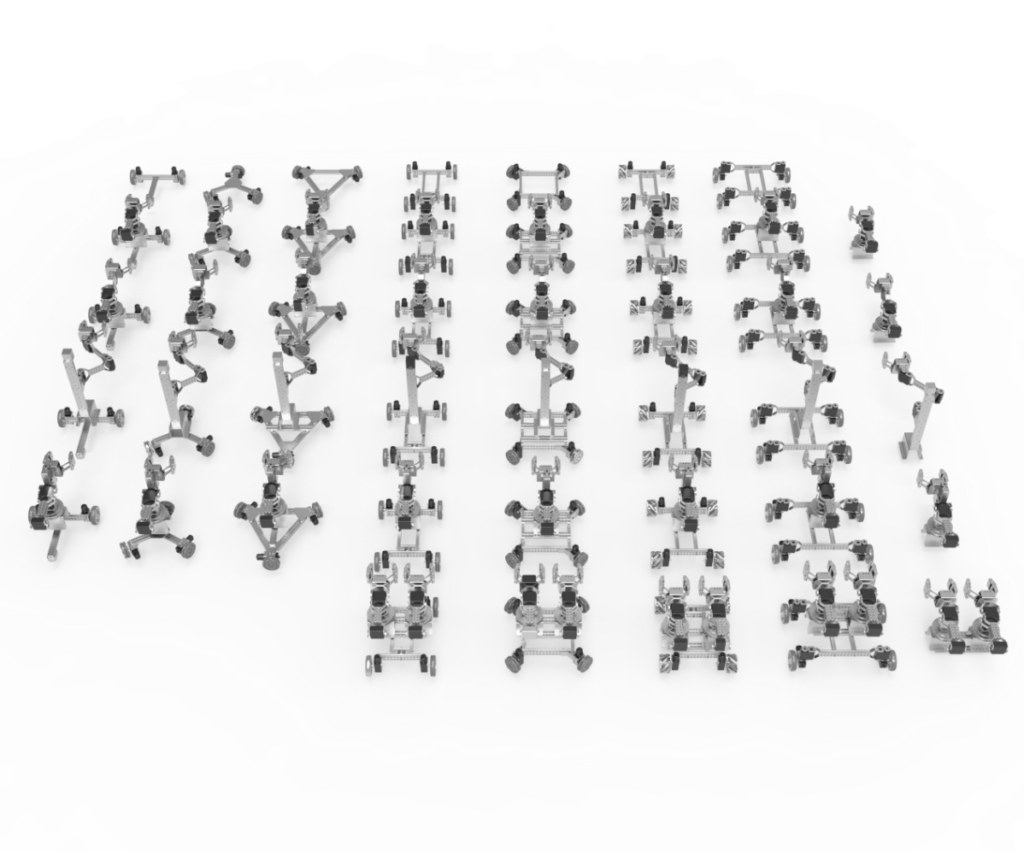
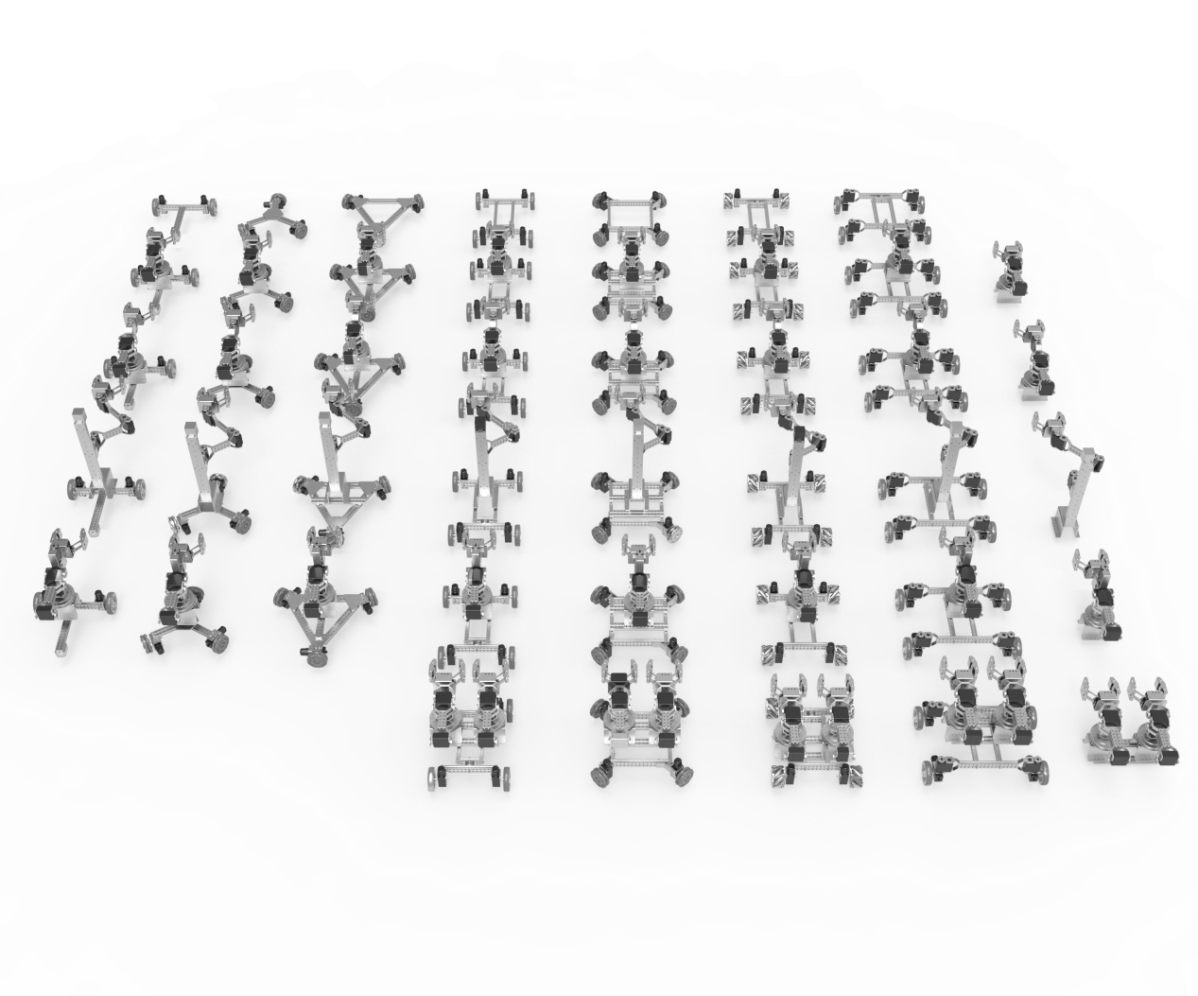
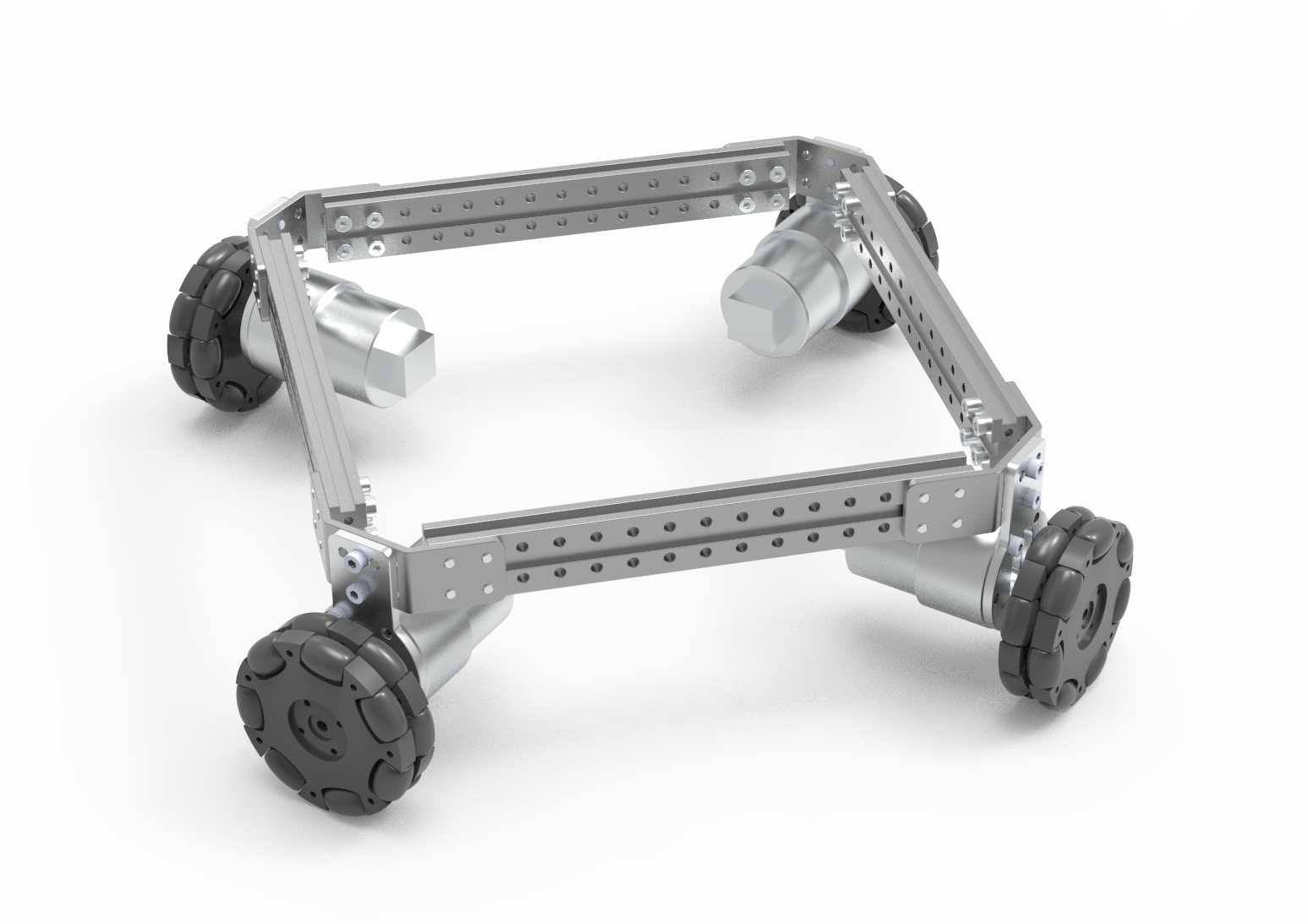
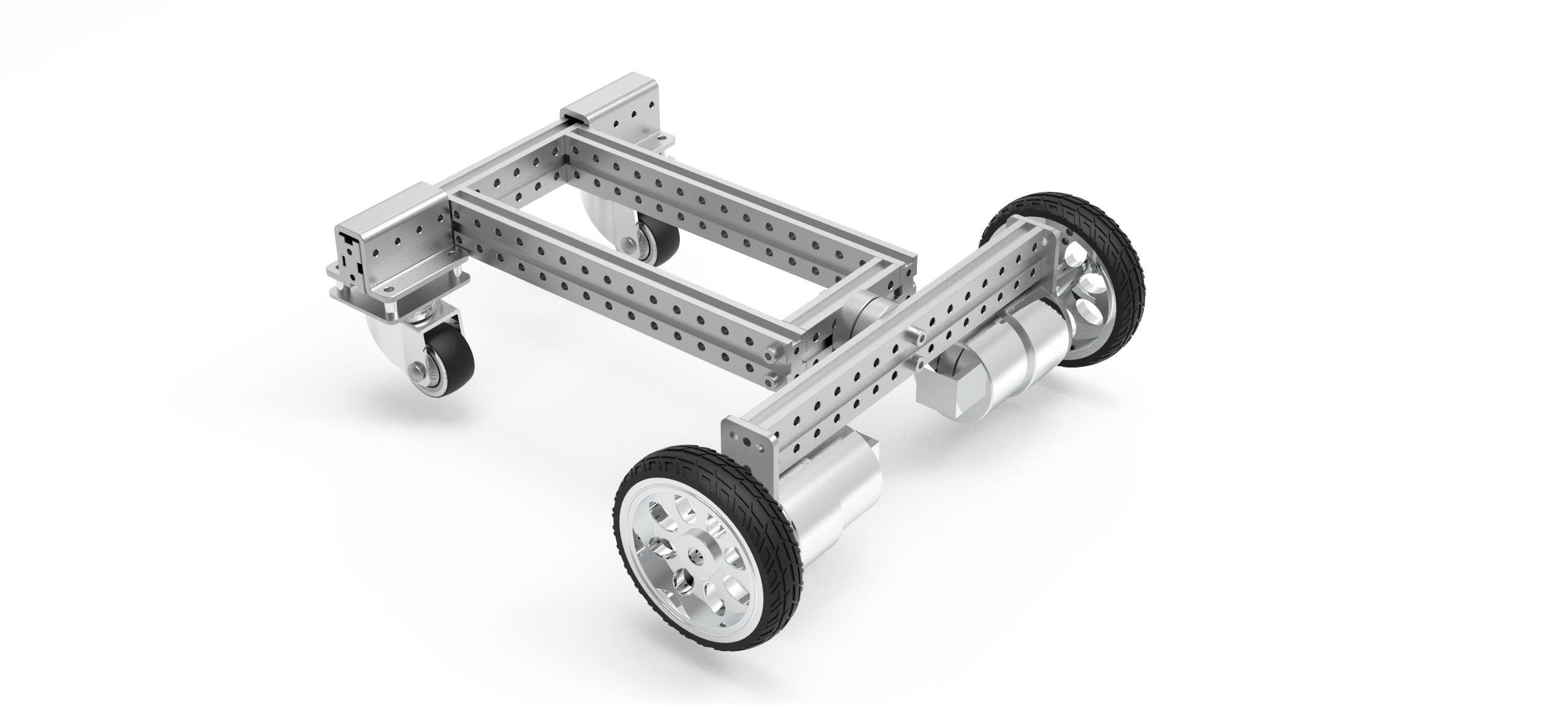
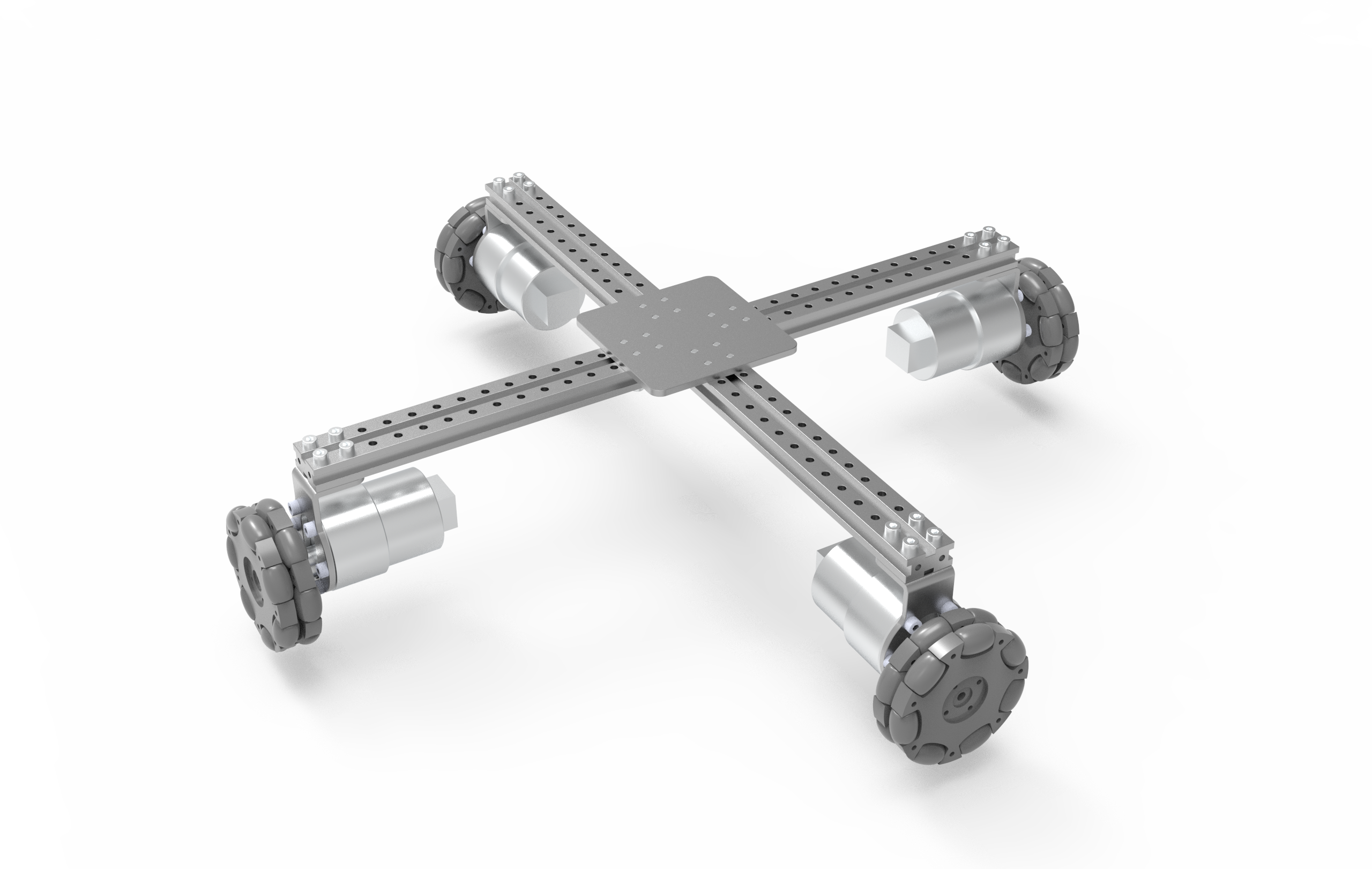
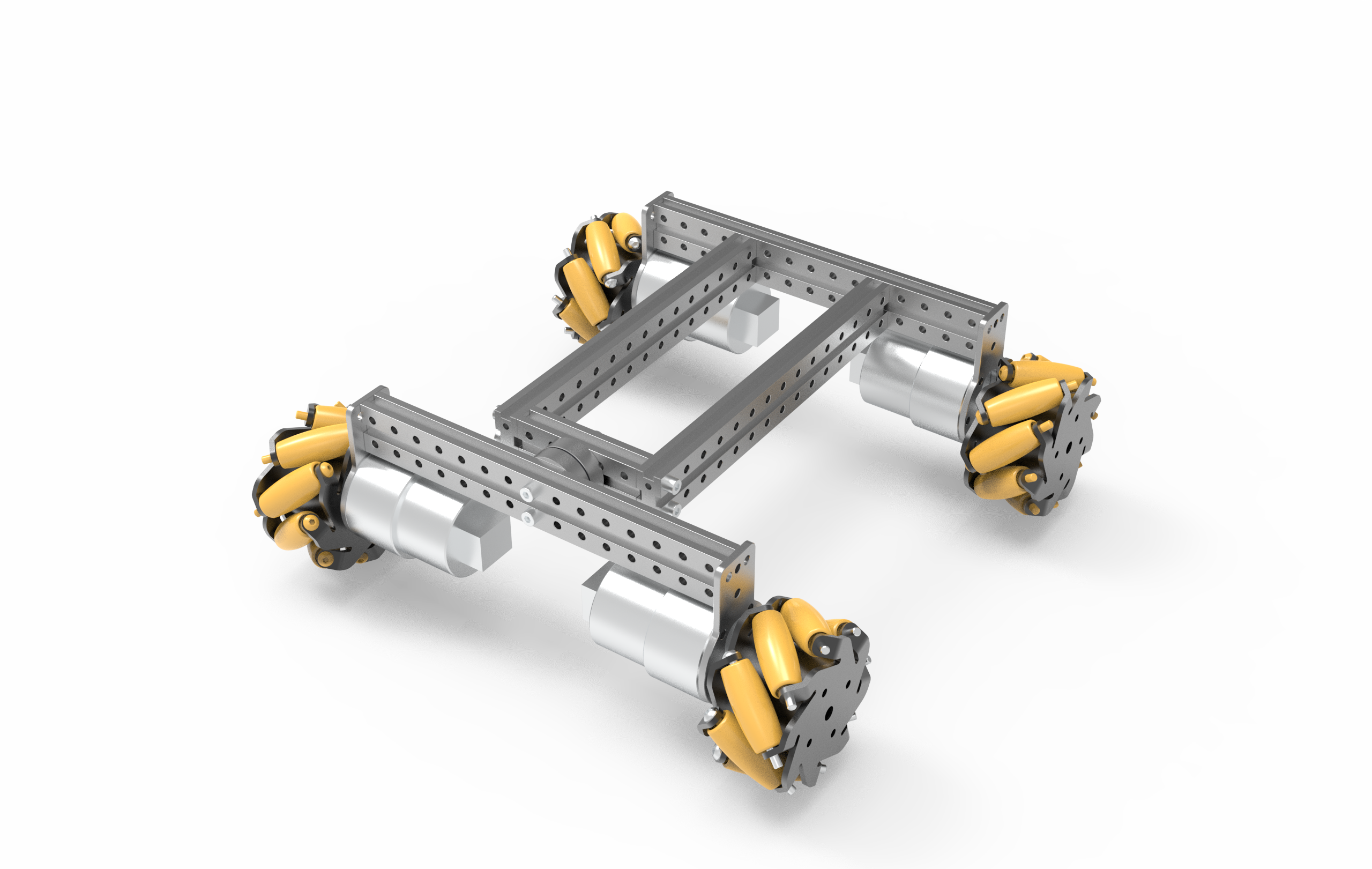
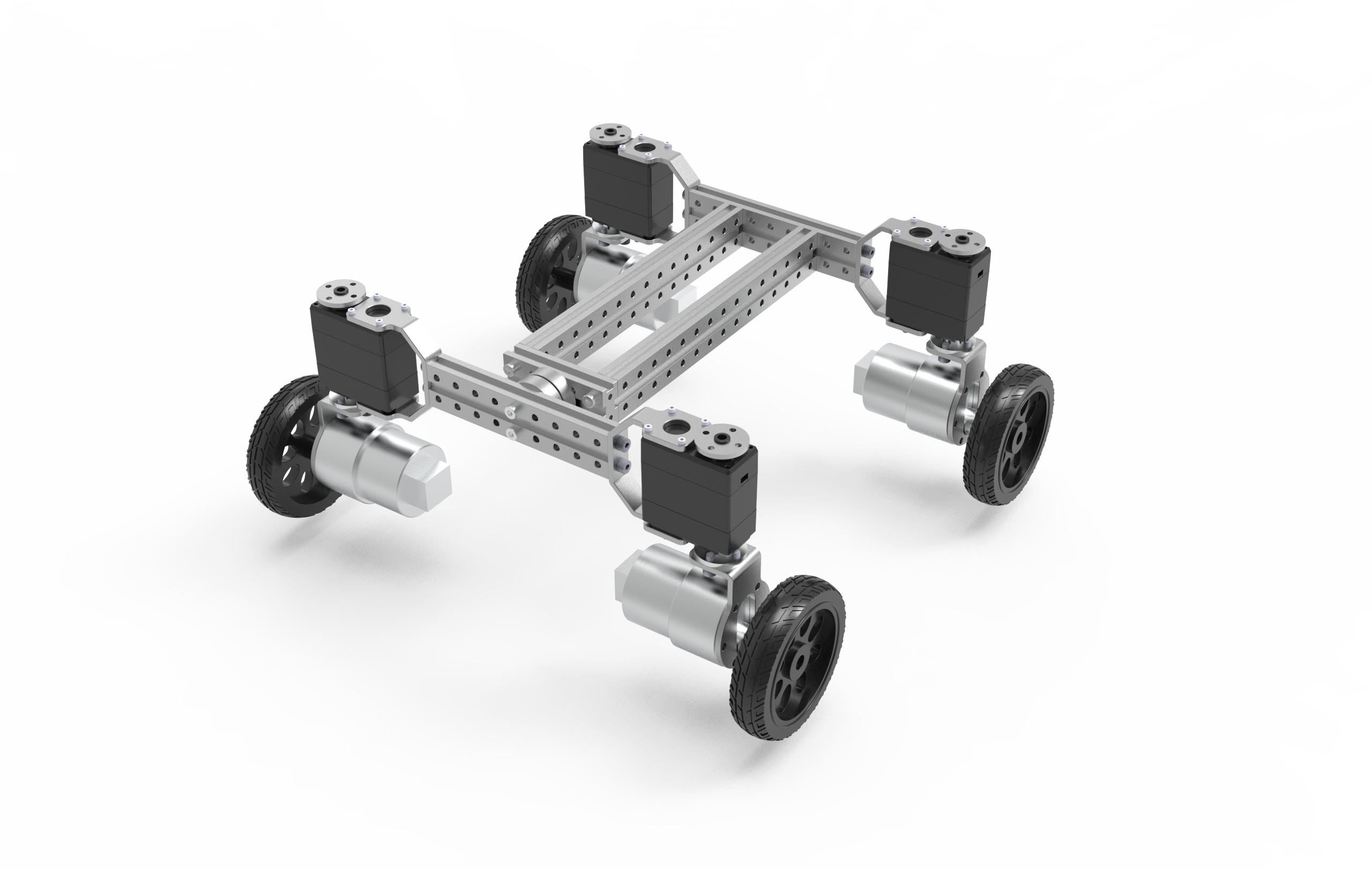
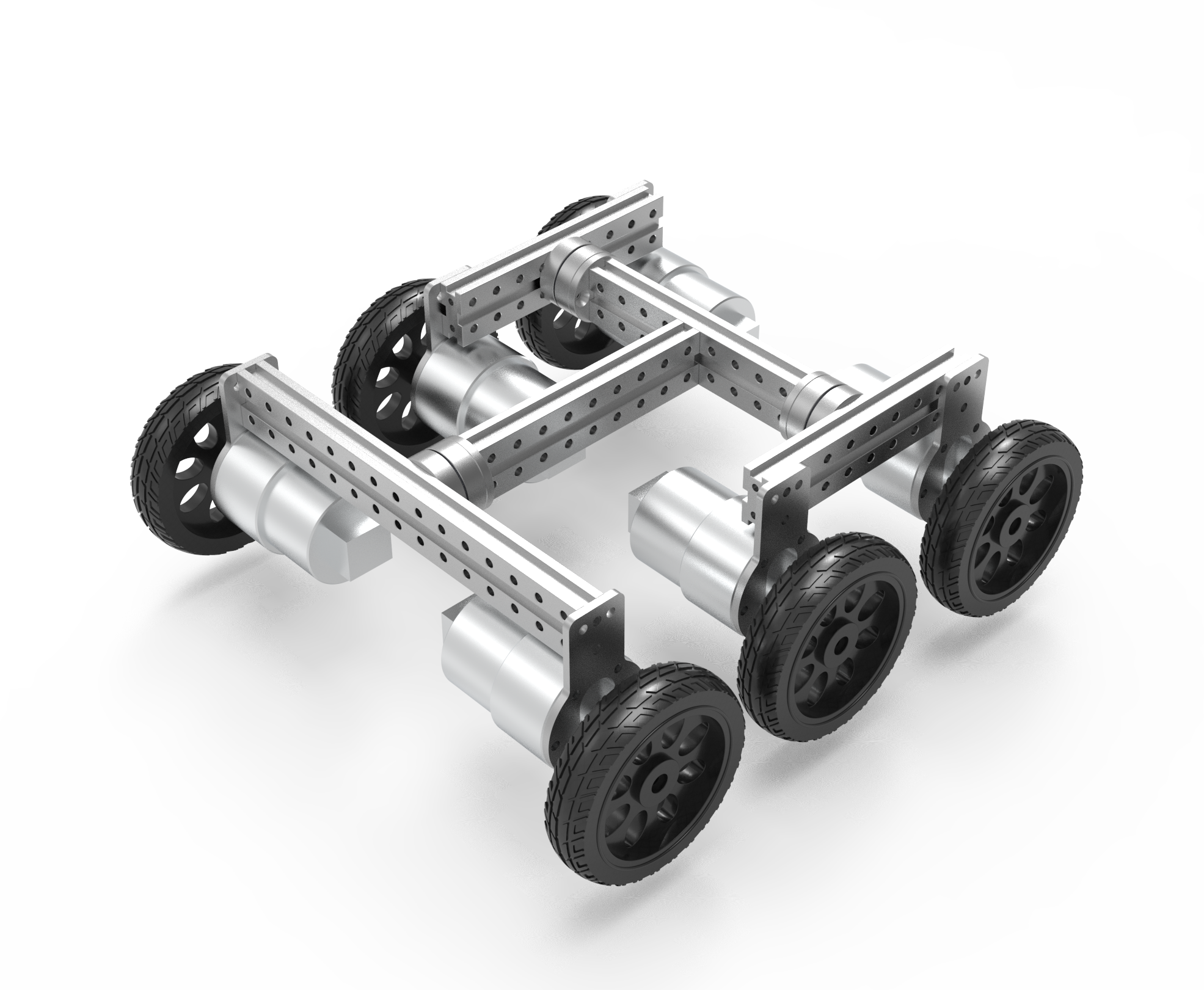
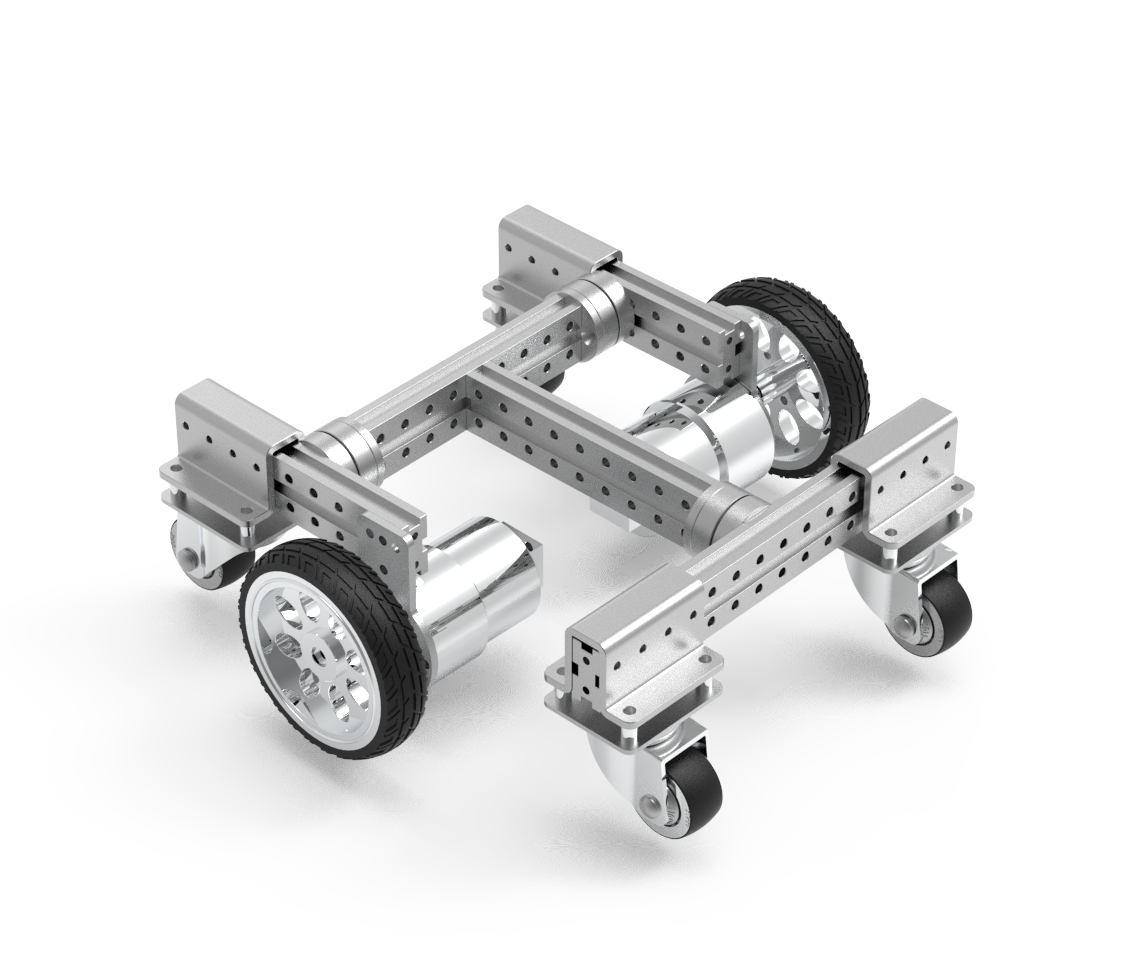
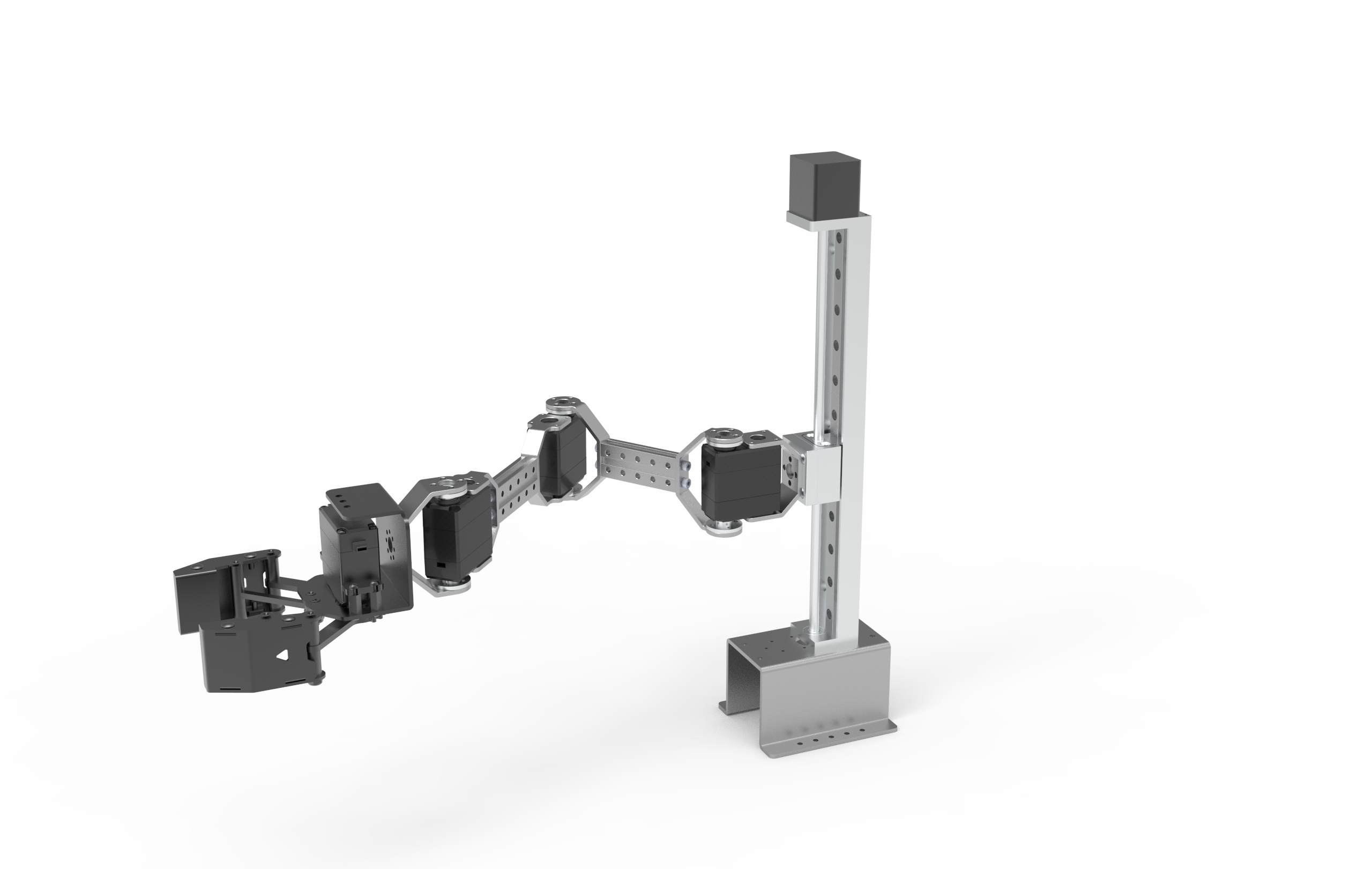
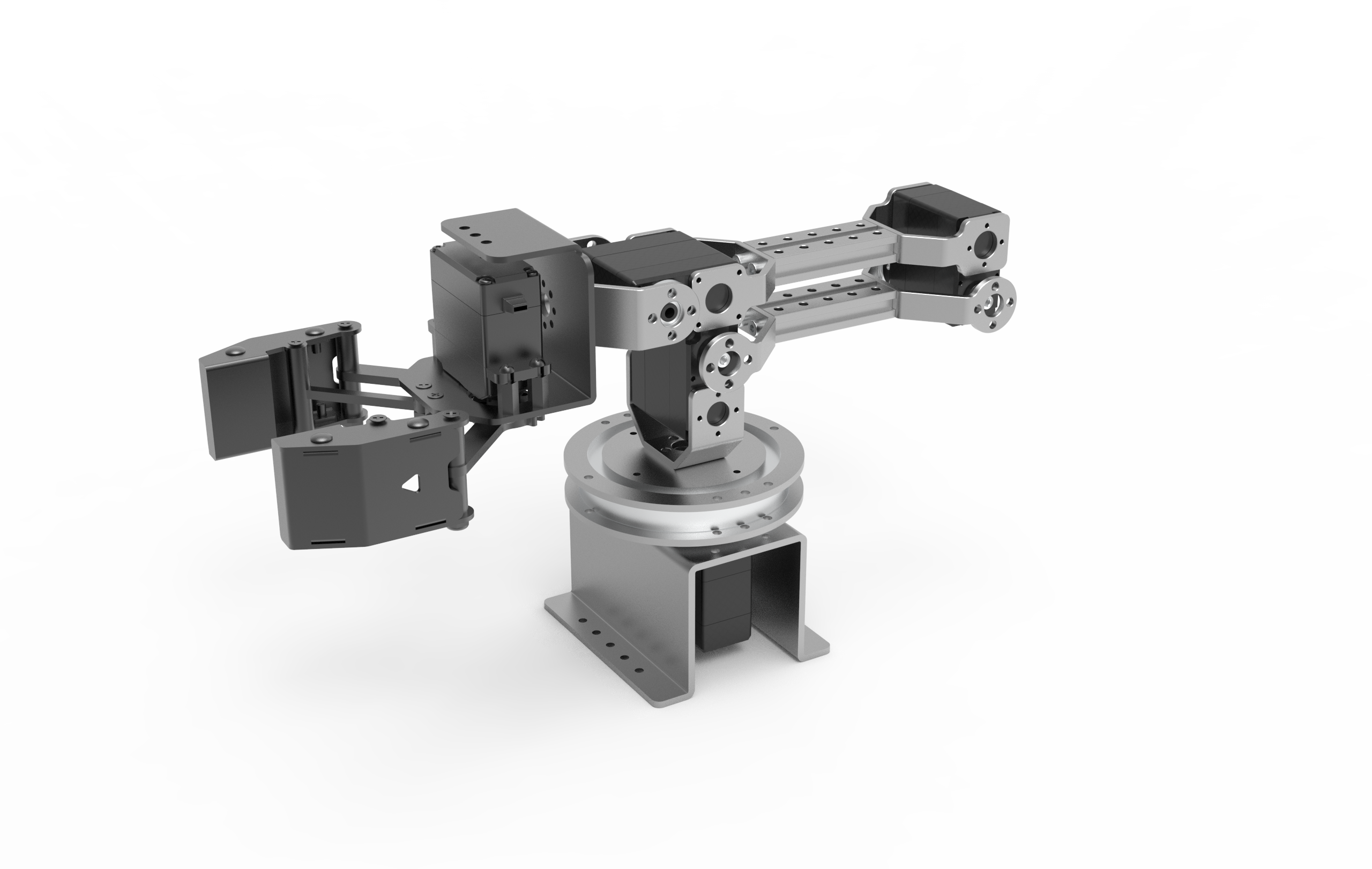
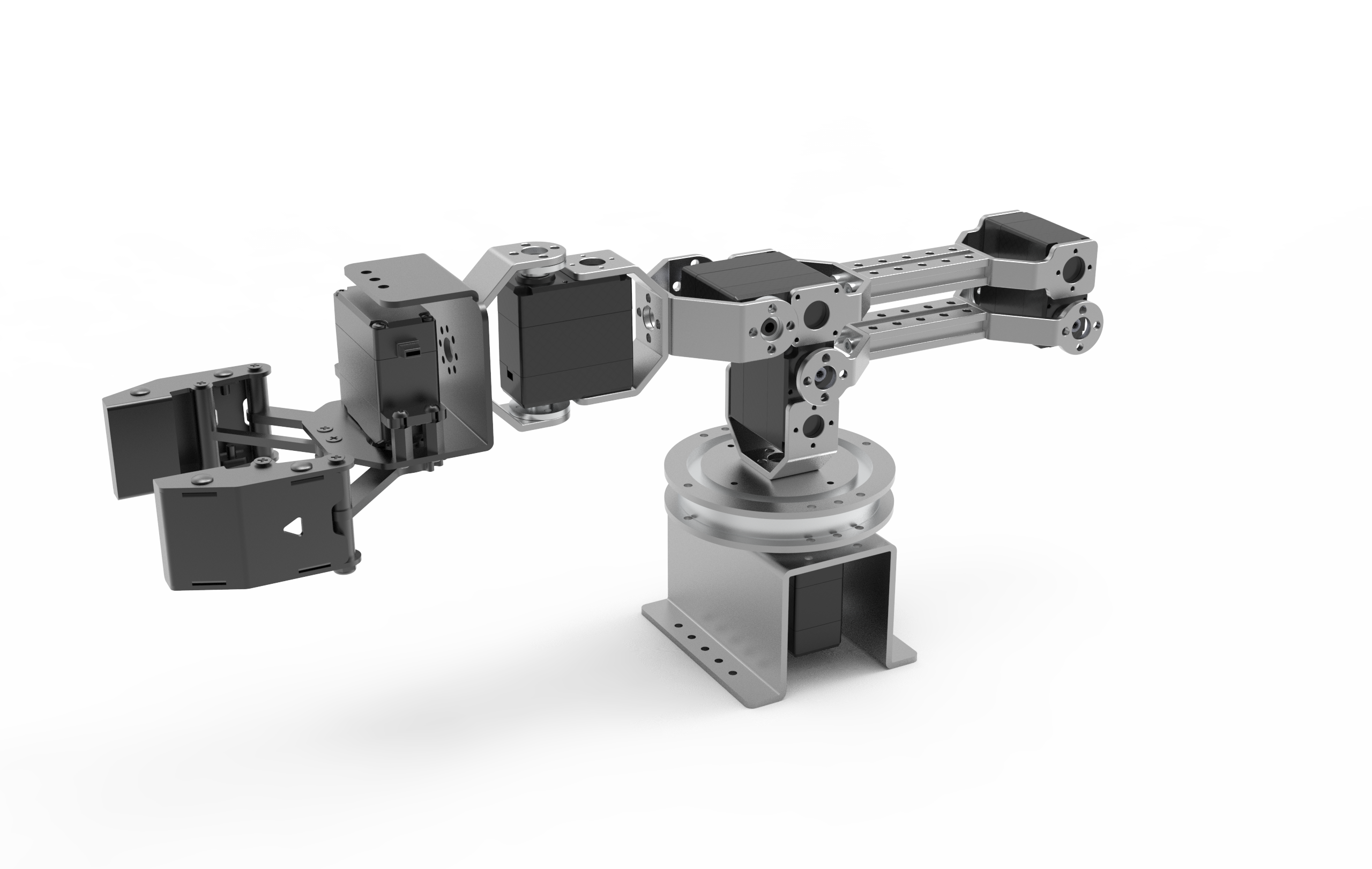
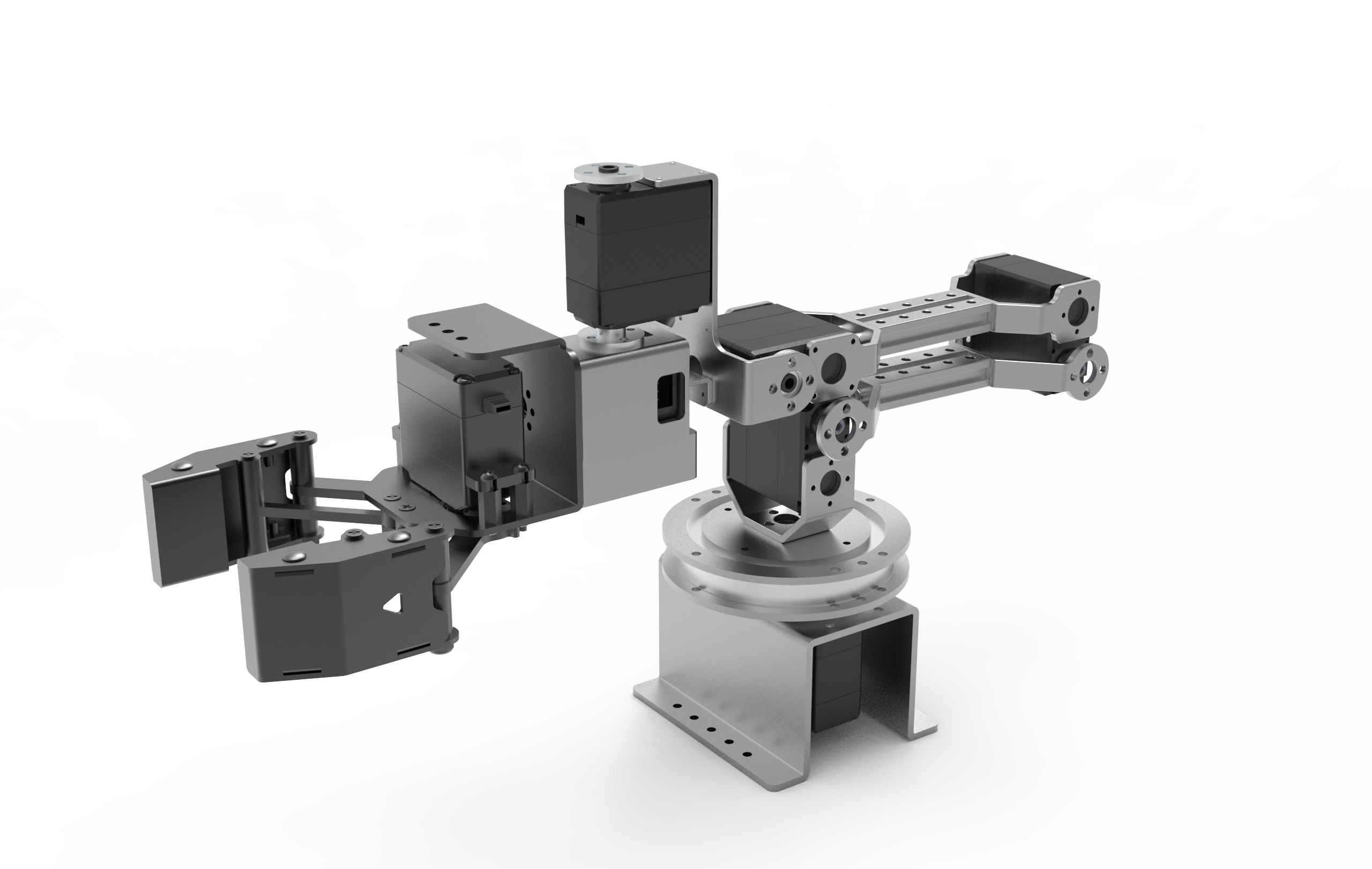
Through a modular architecture, 11 types of chassis and 7 types of robotic arms can be freely combined to achieve up to 88 configurations, enabling hands-on experience of the full process from design, construction, to control.
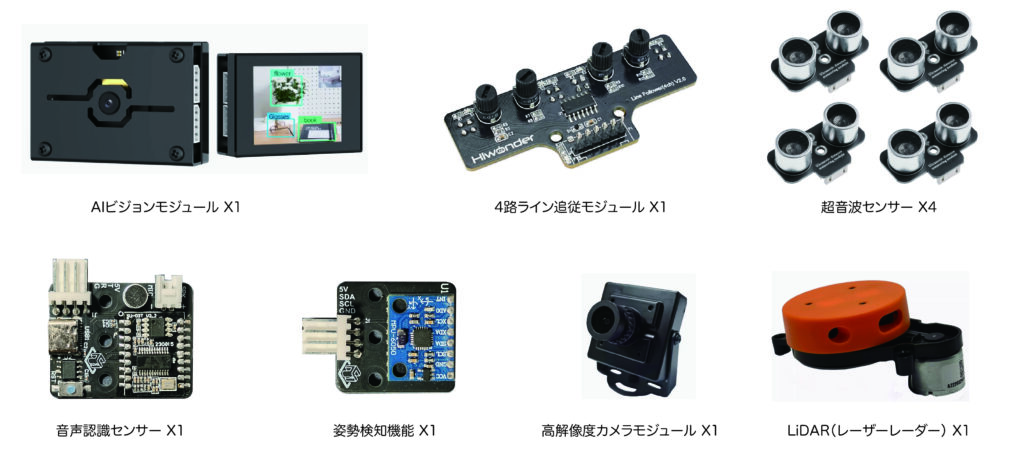
Integrates AI vision, voice, pose detection, obstacle avoidance, line tracking, LiDAR, and other sensors for comprehensive perception.
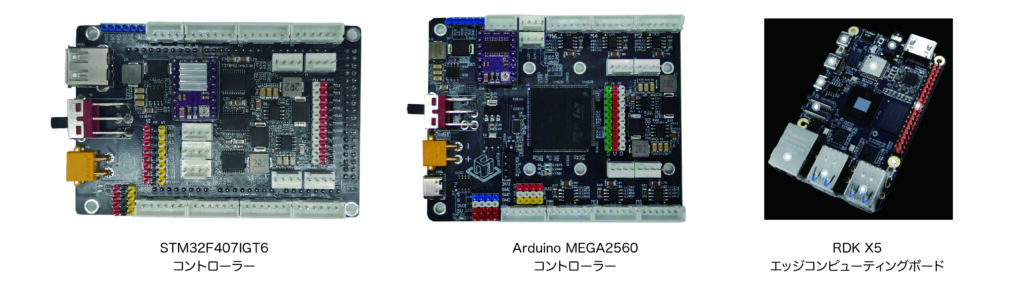
The control system adopts a three-layer architecture based on Arduino, STM32, and RDK X5, supporting applications from entry-level learning to advanced AI development with Ubuntu and ROS. It is suitable for a wide range of use cases, including education, research, and robotics competitions.
■ Applications & Use Cases
Features
Key Features
Embodied System Decomposition Learning
Built on a mobile composite robot, it modularizes structure, actuation, and intelligent control for deeper system understanding.
Modular Learning Process
Combines 11 chassis types and 7 robotic arms to achieve up to 88 configurations, enabling end-to-end learning from design to control.
Multimodal Perception
Integrates AI vision, voice, IMU, obstacle avoidance, line tracking, and LiDAR to build environmental perception capabilities.
Hierarchical Control Architecture
Three-layer architecture (Arduino, STM32, RDK X5) supports entry-level learning to advanced AI development with Ubuntu/ROS.
Supports Education and Competition
Supports education in robotics, sensors, ROS, and navigation, and is also suitable for research and competitions.
Specifications
Specifications
Component List
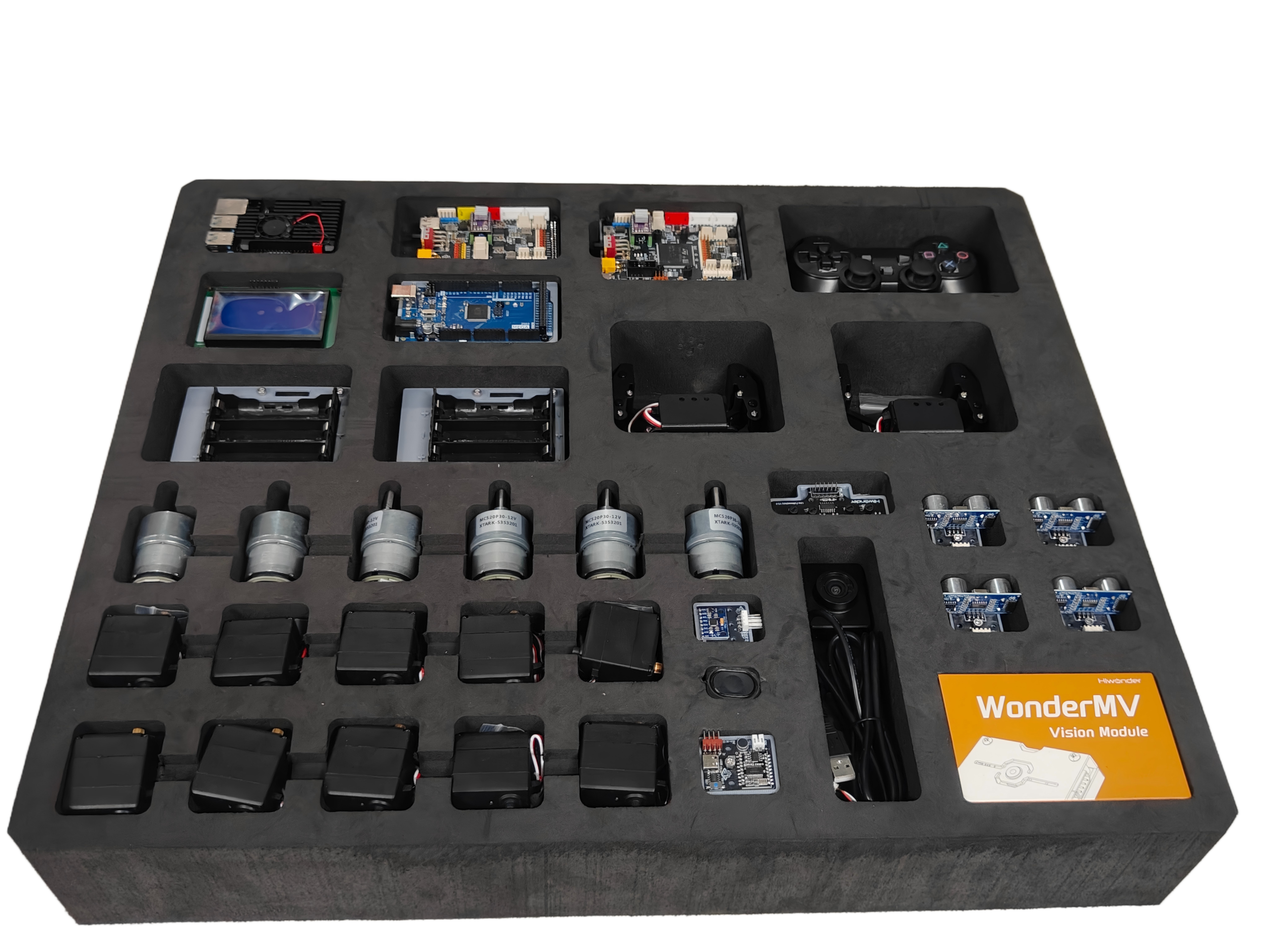
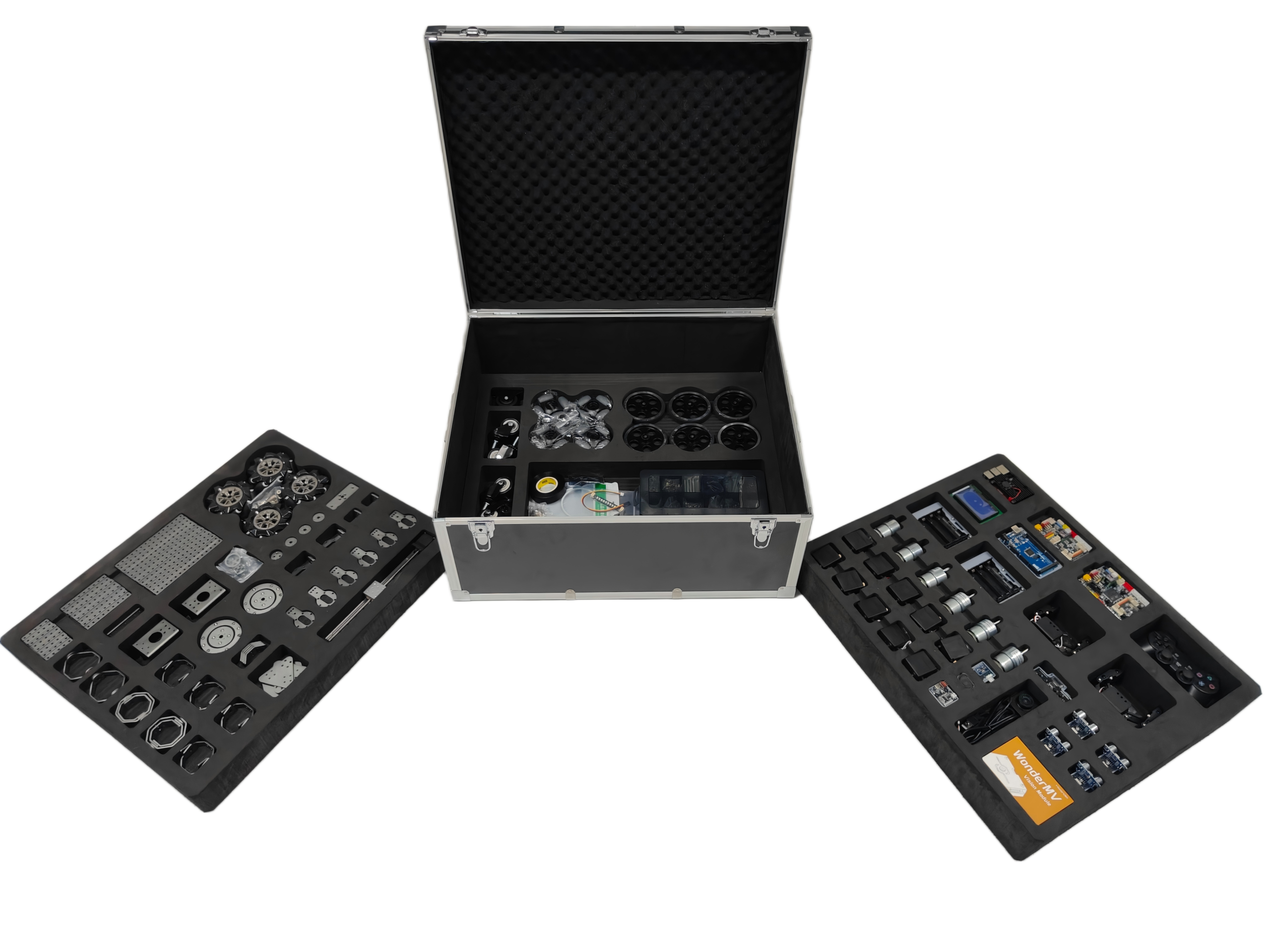
| Main Control Board ×3 | STM32F4 / Arduino MCUs (Keil 5 / Arduino IDE / VS Code supported) RDK X5 AI board |
|---|---|
| Expansion Board ×1 | DC Motors, Servo Motors, Stepper Motors Integrated drive circuits for serial communication. |
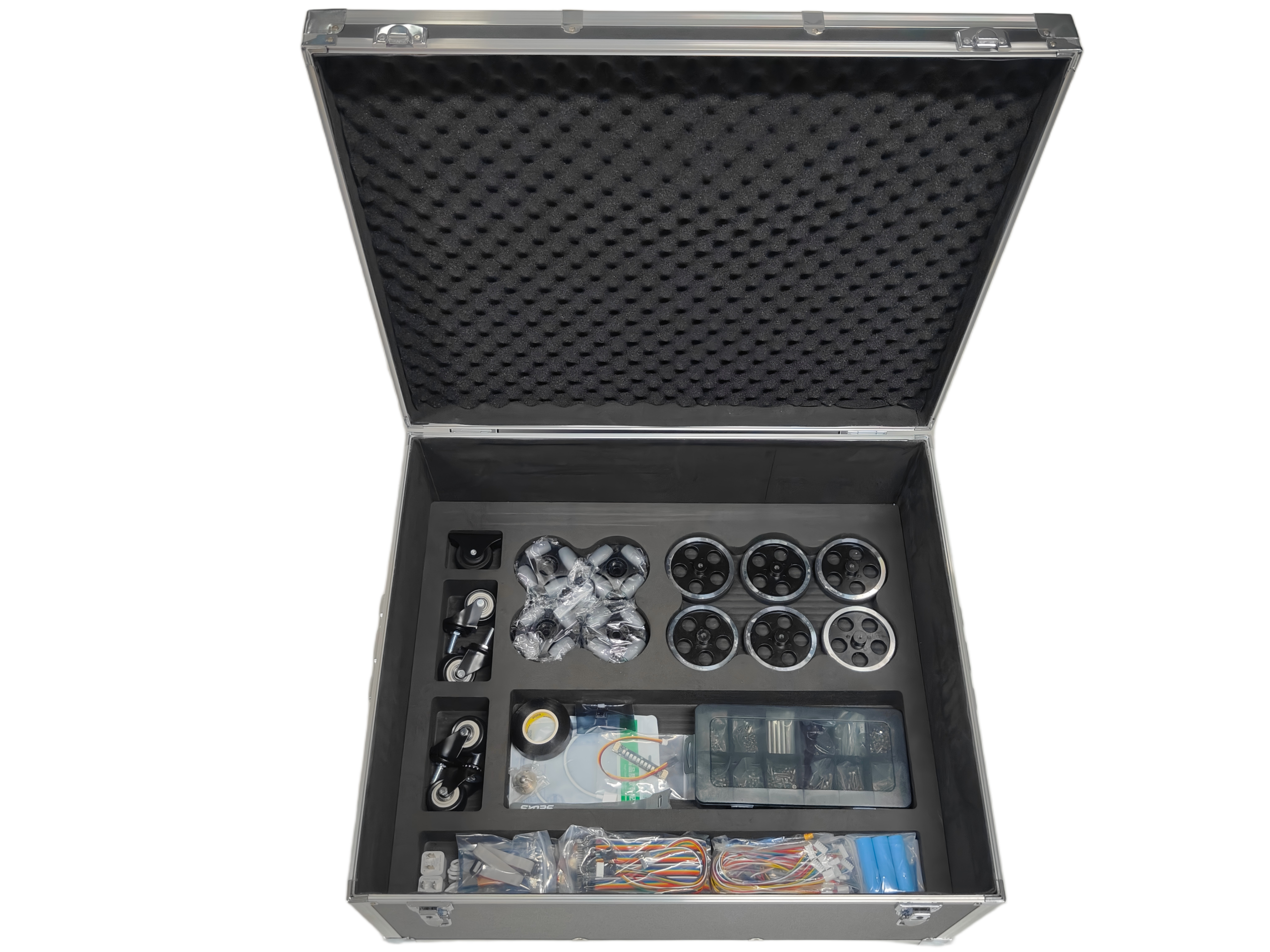
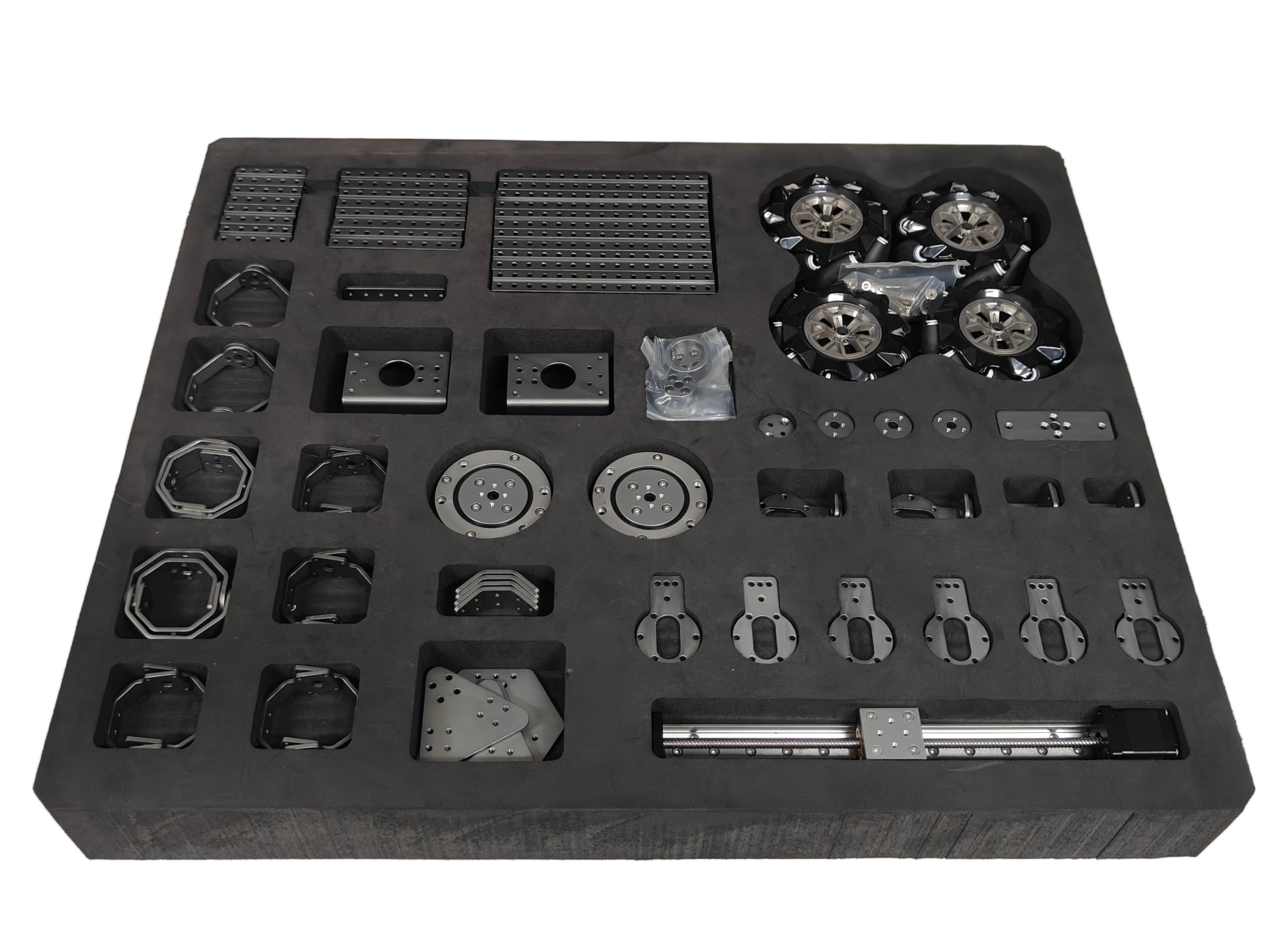
| Structural Components ×110+ | Beam Structures, Grippers, Linear Motion Modules, etc. Supports diverse robot configurations |
| Motors ×14 | 12V high-power DC motors with feedback ×6 digital bus servos ×8 built-in |
| Sensors ×7 | LiDAR / IMU / Vision Camera / Ultrasonic Sensor / Monocular Camera Line Tracking Module / Offline Voice Module |
| Wheel Components ×19 | Differential Wheels, Mecanum Wheels, Omni Wheels, Casters Including Fixed Wheels |
| Other Components ×200+ | Stainless Steel Screws, Nuts, Metal Spacers, Nylon Standoffs, etc. |
| Assembly Tools ×8 | Hex Drivers, Wrenches, etc. |
Sensor configuration
Control Configuration
Robot Configuration Examples
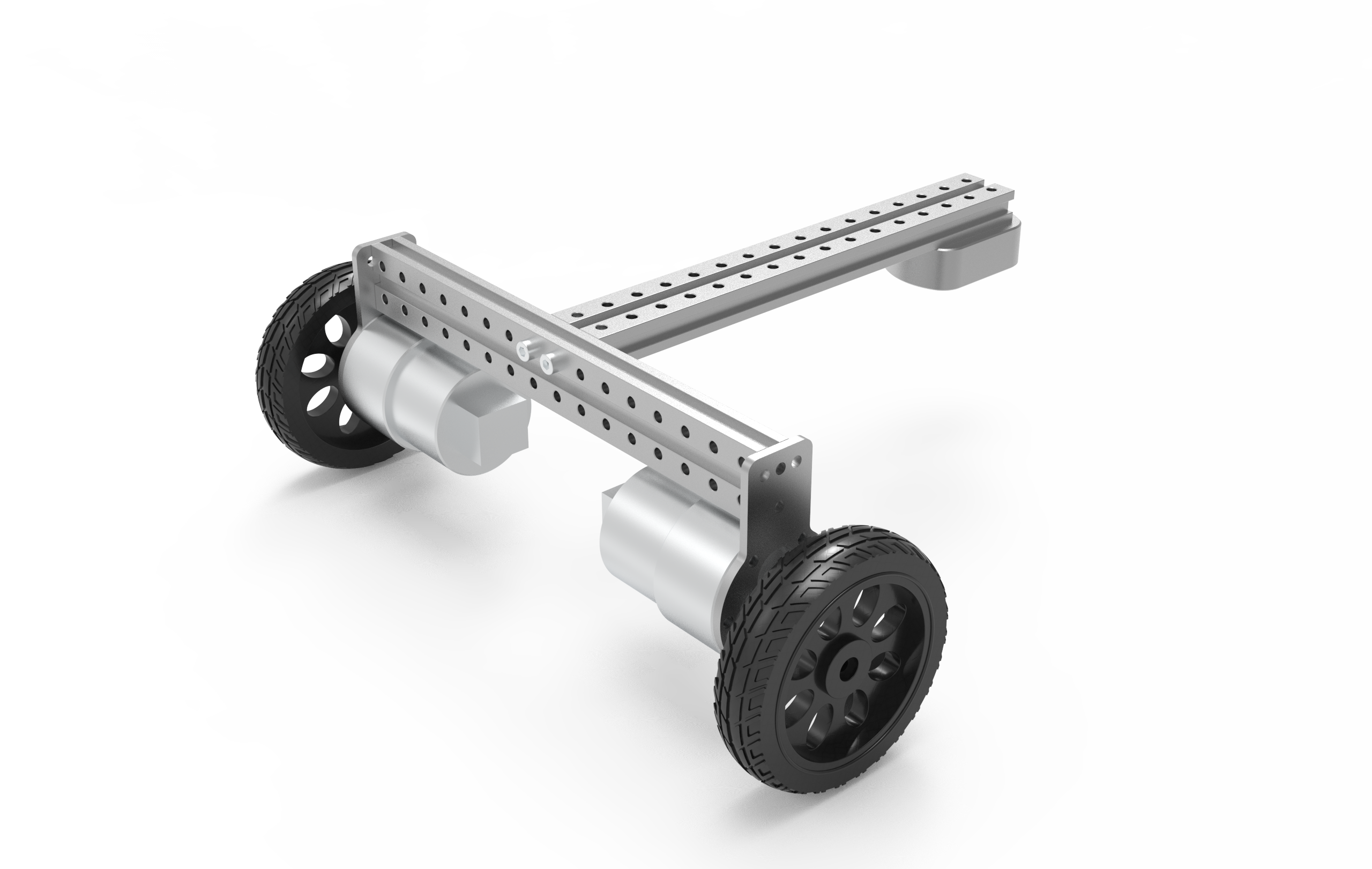
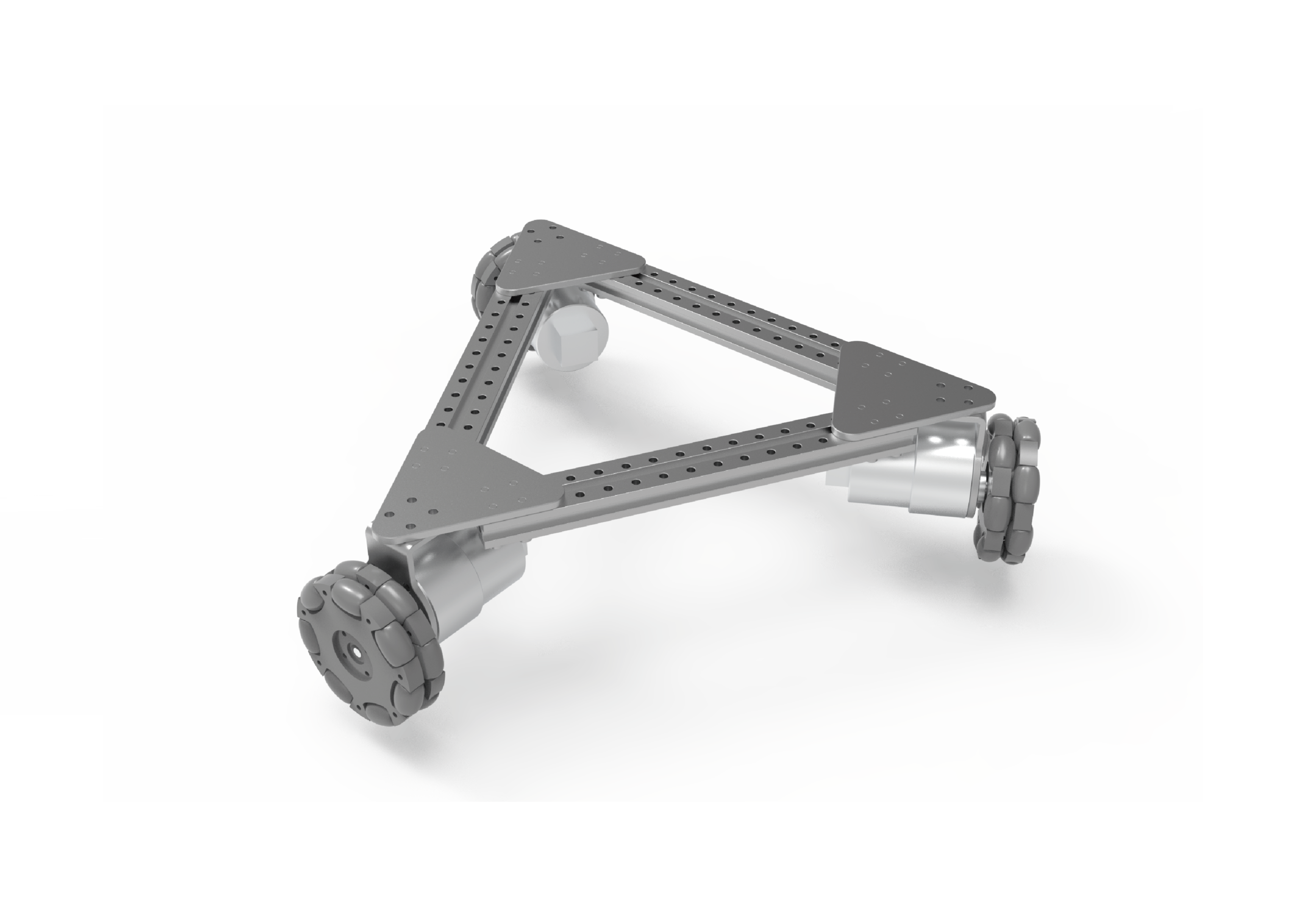
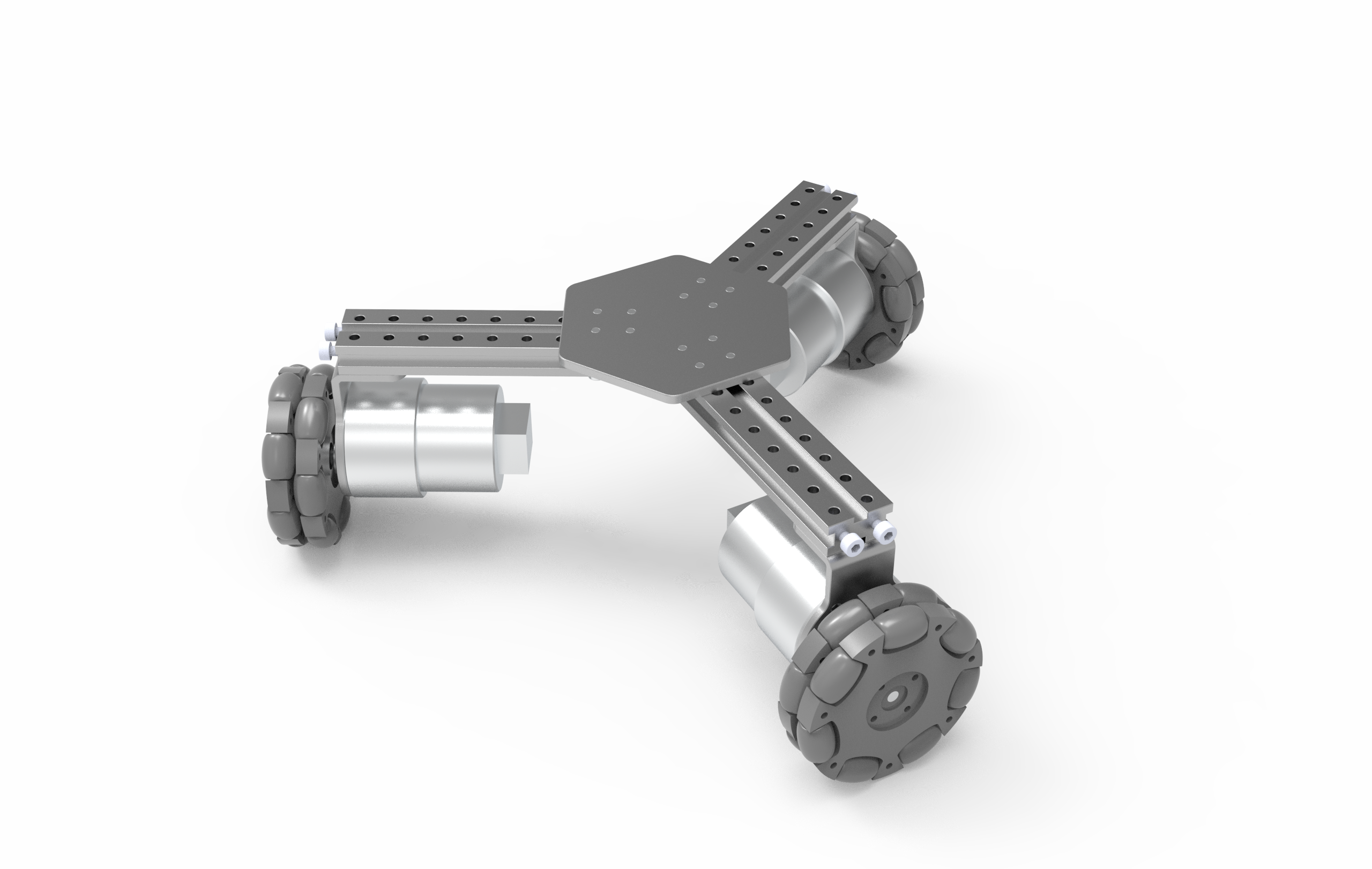
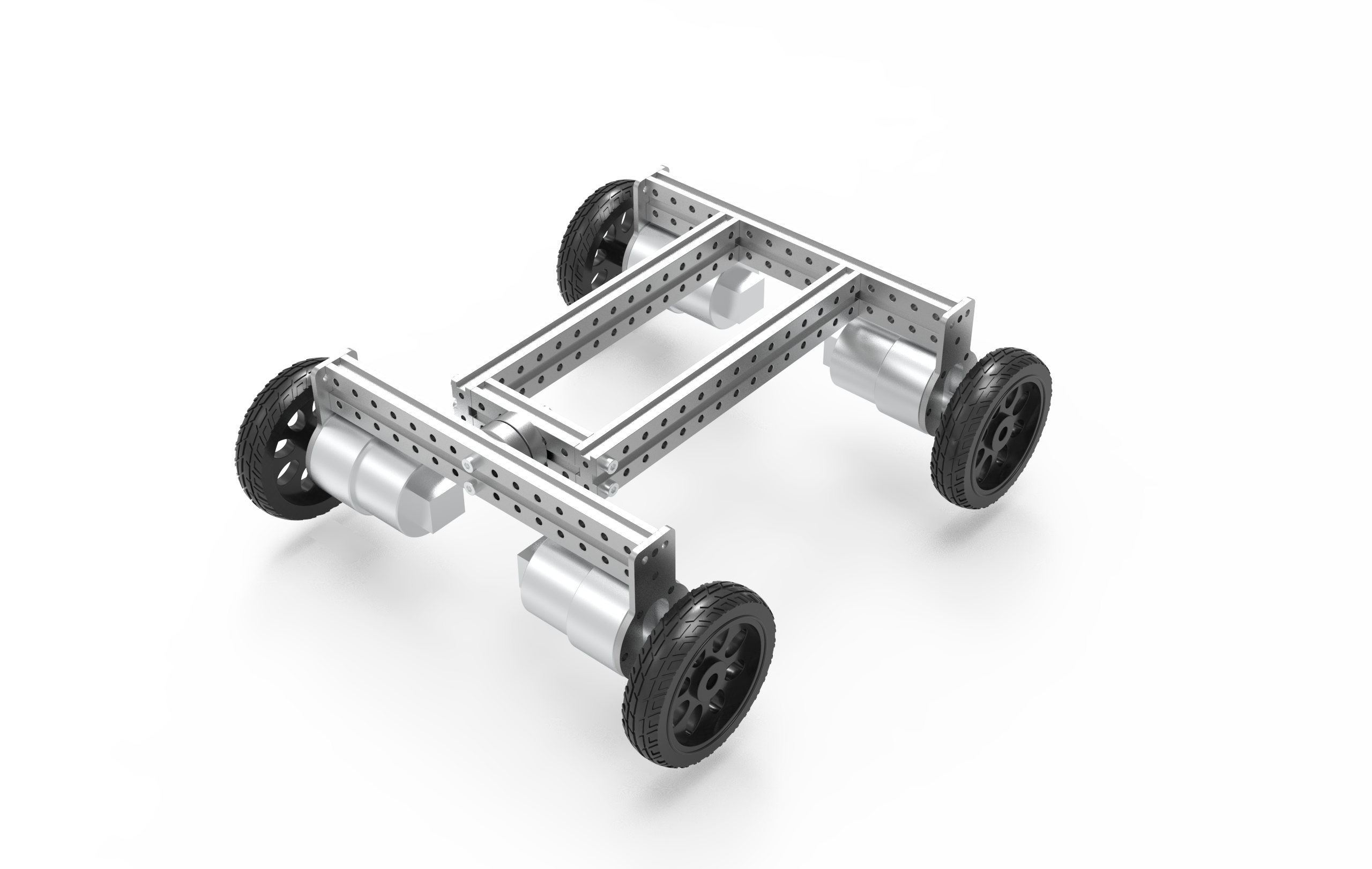
Module combinations enable up to 88 robot configurations, supporting differential, omnidirectional, steering, and dual-arm systems.
Chassis (11 types)
Robot Arms (8 types)
Curriculum
Experiment Items
Basic ROS Experiments
■ ROS Basics - Topic, Service and turtlesim exercises
■ ROS Basics - Workspace setup and function package porting
■ ROS Tools - RViz visualization tool
■ ROS Applications - Establishing serial communication with Arduino
■ ROS Applications - Reading mobile robot velocity
■ ROS Applications - Keyboard motion control of the mobile robot
■ ROS Applications - MoveIt! configuration
■ ROS Applications - Robot arm motion control
Robotic Vision Experiments
■ Vision Basics - Color, shape and QR code recognition
■ Vision Basics - Color ring recognition
■ AI Vision - Object dataset collection and annotation
■ AI Vision - Object model training and recognition implementation
■ Vision Applications - Serial communication between upper and lower controllers
■ Vision Applications - Object recognition and mobile robot following
■ Vision Applications - Robot arm and camera coordinate calibration
■ Vision Applications - Robot arm grasping via object recognition
Robot Navigation and Localization
■ Drive - Mobile robot PID closed-loop control
■ Drive - Installing the LiDAR driver
■ Communication - Serial communication between upper and lower controllers
■ Communication - Precise keyboard motion control of the mobile robot
■ Localization & Navigation - Map building
■ Localization & Navigation - Map-based navigation
Large-Scale AI Model Integration and Application
■ Voice Interaction - Deploying an ASR (Automatic Speech Recognition) model
Integration
■ Voice Interaction - Deploying an LLM (Large Language Model) for natural language understanding
■ Voice Interaction - Deploying a TTS (Text-to-Speech) interface
■ Communication - Calling physical interfaces via function calling
■ Applications - Voice-controlled face-recognition cart following
■ Applications - Voice-controlled vision robot arm transport
Contact
Consultation on Deployment, Demos and Quotes
From product selection to integrating robots into your classes or research, feel free to contact us.